The best sleeping pad for pregnant campers in second trimester needing side support is a 3.5" to 4" thick insulated air pad or self-inflating foam pad with vertical or horizontal baffles that cradle the hips and shoulders when you're side-sleeping (which OB-GYNs recommend from week 14 onward, especially on the left side to optimize blood flow to the uterus). Look for an R-value of at least 3.5 for spring and fall trips, a width of 25" or more so your knees don't roll off when you pillow them, and a quiet, non-crinkly fabric so middle-of-the-night repositioning doesn't wake the whole tent. Round it out with a tall enough shelter, shade for daytime naps, and a private changing area so you can actually rest.
Why the Second Trimester Changes Everything About Camp Sleep
Top Picks
Weeks 14 through 27 are usually the sweet spot of pregnancy for outdoor trips: morning sickness has eased, energy is back, and the belly is not yet basketball-sized. That said, your sleep system has to evolve. The uterus is now large enough that lying flat on your back compresses the inferior vena cava, which can drop blood pressure and make you light-headed. Stomach sleeping is off the table. Side sleeping, ideally on the left, becomes the only realistic position, which means whatever pad is under you needs to handle pointed pressure from a single hip and a single shoulder for eight to ten hours straight.
The best best sleeping pad for pregnant campers in second trimester needing side support for your situation depends on how you plan to use it and where.
Standard backpacking pads were designed for back-sleeping thru-hikers who weigh 150 pounds and don't have a 1.5-pound uterus pulling their lumbar spine forward. A pad that felt fine pre-pregnancy will likely bottom out at the hip by 3 a.m. in the second trimester. The fix isn't more padding everywhere; it's targeted thickness, baffle geometry that prevents "hammocking," and a width that lets you stuff a small pillow between your knees without the pillow falling onto cold ground.
The Non-Negotiable Specs for a Side-Support Pregnancy Pad
If you're shopping in 2026, weigh every candidate against these five criteria before anything else.
Thickness: 3.5" Minimum, 4" Sweet Spot
Hip pressure is the number one cause of pregnant campers waking up. A 2" ultralight pad will not work. You want enough air column that even when your hip compresses the pad, there's still an inch of cushion between your trochanter and the ground. Self-inflating foam pads at 3" feel firmer than 3.5" air pads because the foam pushes back; if you go self-inflating, 3" can be acceptable. For pure air pads, do not go under 3.5".
Baffle Pattern: Horizontal or Cellular, Not Long Vertical Tubes
Long vertical tubes (running head-to-toe) tend to let a side-sleeper roll into the valley between two tubes, which puts pressure right on the hip bone. Horizontal baffles or quilted/cellular pads distribute side-sleeping weight more evenly. Some 2026 pregnancy-marketed pads even use a "raised rail" design with thicker outer baffles to keep you from rolling off entirely, which matters more as the belly grows.
R-Value: 3.5 or Higher
Pregnant bodies run warm in the evening but lose heat overnight, and ground-conducted cold disrupts sleep faster than air temperature does. R-value 3.5 covers most three-season trips; R-value 5+ is worth it if you camp shoulder-season or at elevation.
Width: 25" Wide Regular, 30" If You Have Room
You will be sleeping with a knee pillow, a belly pillow, and possibly a back wedge. A standard 20" pad puts at least one of those props on bare tent floor. A 25" wide regular gives you working room; a 30" wide is luxurious and fits inside most 2-person tents alongside a partner on a separate pad.
Quiet Face Fabric
Older TPU pads sound like a bag of chips every time you shift. 2026 pads use stretch-knit or brushed polyester tops that mute the crinkle and feel warmer against bare skin. This matters because you will reposition six to twelve times a night in the second trimester. Crinkly = miserable tentmate.
How the Sleeping Pad Fits Into the Whole Camp Sleep System
The pad alone won't get you to morning. Pregnant campers who sleep well have dialed in four other variables: shelter height, daytime rest options, bathroom logistics, and a stable surface under the tent. Below are the gear pieces we recommend pairing with whichever pad you choose, plus a quick comparison of how each contributes to second-trimester comfort.
| Gear Piece | Role in Pregnancy Sleep System | Key Spec | Best For |
|---|---|---|---|
| 3-Season Dome Tent | Headroom to sit up, change positions, and use a back wedge | Peak height 48"+ for sitting up comfortably | Car campers in 2nd trimester |
| 10x10 Pop-Up Canopy | Shaded daytime nap area; reduces afternoon overheating | One-push or CenterLok deployment under 60 sec | Hot-weather campsites |
| Pop-Up Changing Tent | Private spot for bathroom breaks, outfit changes, prenatal stretching | 6 ft+ height; ventilated | Group/family campsites without bathrooms |
| Camping Hammock | Daytime side-rest in a naturally curved position (not for overnight in late 2nd trimester) | 500 lb capacity, tree straps included | Afternoon reading/napping breaks |
Our 2026 Picks for the Surrounding Camp Setup
None of the products below is a sleeping pad itself — your pad choice is personal and depends on body size, temperature tolerance, and tent geometry. What follows is the supporting cast that makes a good pad work the way it's supposed to.
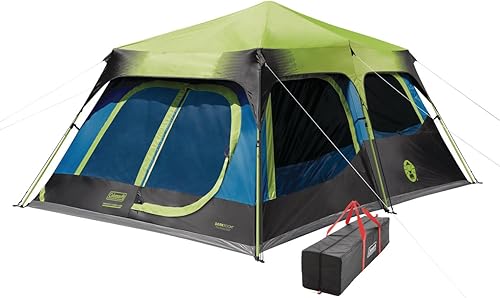
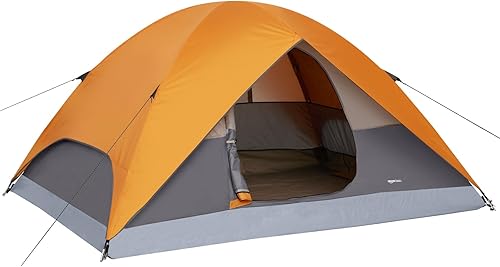
Amazon Basics 3-Season Dome Camping Tent with Rainfly
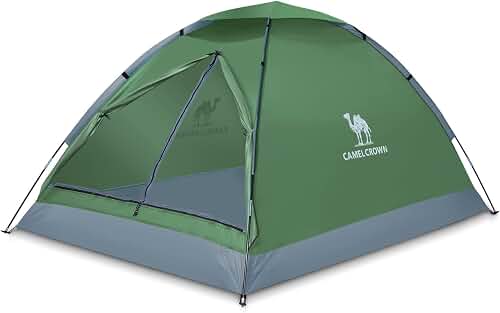
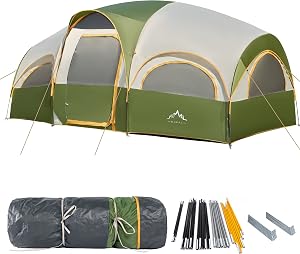
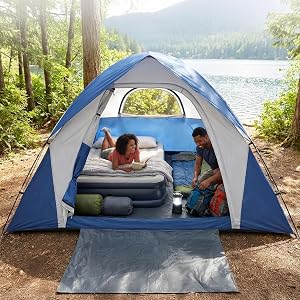
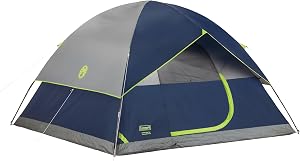
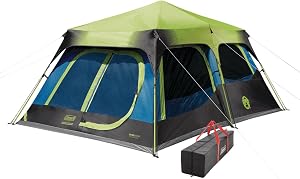
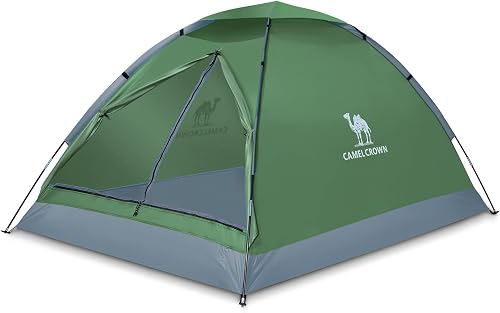
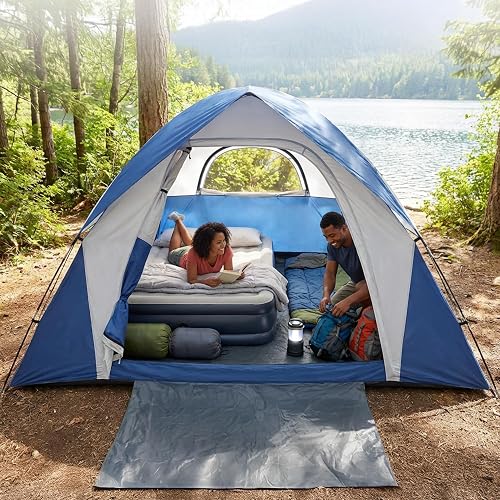
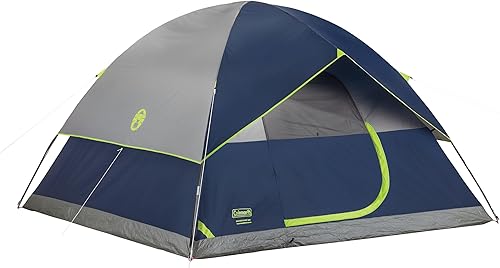
For second-trimester campers, the single most under-appreciated tent spec is interior peak height. You need to be able to sit fully upright to put on socks, to lever yourself up to standing without rolling onto your belly, and to use a back wedge without your forehead brushing the rainfly. This budget-friendly dome offers enough vertical clearance for sit-up dressing, has a true rainfly (not just a built-in lid) for shoulder-season trips, and ventilates well so condensation doesn't drip on you at 4 a.m. If you're shopping for a partner tent that fits two wide pads side by side, size up one capacity rating (a "3-person" tent is realistic for two adults plus pregnancy props). Amazon Basics Camping Tent.
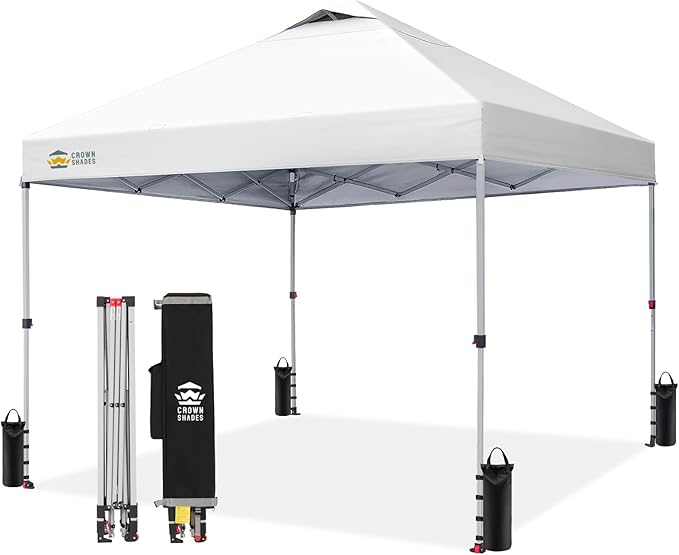
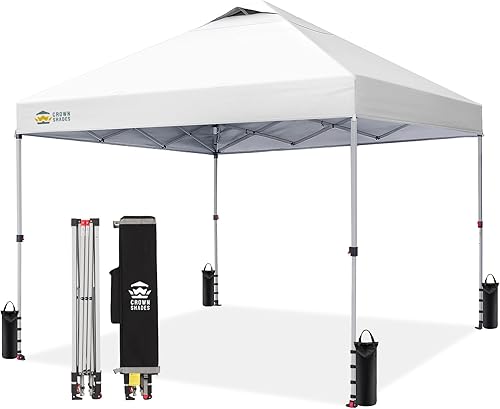
CROWN SHADES 10x10 Pop Up Canopy, CenterLok One-Push
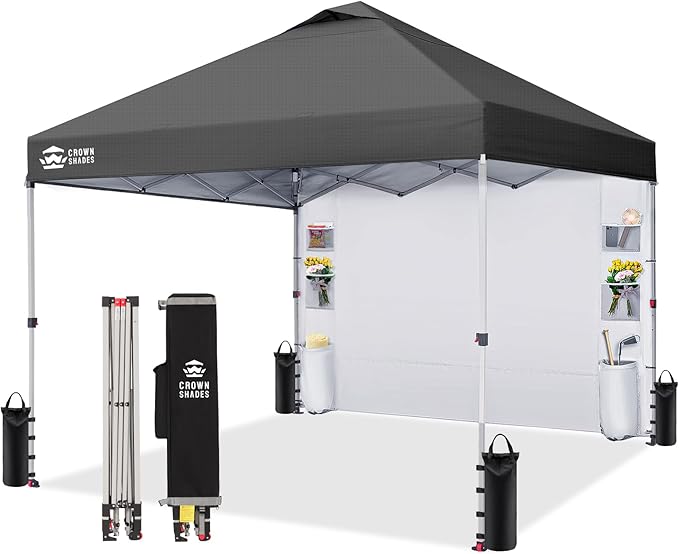
Second-trimester fatigue hits hardest mid-afternoon, and that's often when sun on the tent makes the interior unsleepable. A 10x10 canopy over a camp chair or cot becomes your daytime nap zone — shaded, breezy, and far enough from the tent that you're not breathing hot synthetic air. The CenterLok design lets one person deploy it in under a minute, which matters when bending and reaching are getting harder. Look for one with sandbags or stakes rated for the wind at your site. CROWN SHADES 10x10 Pop Up Canopy.
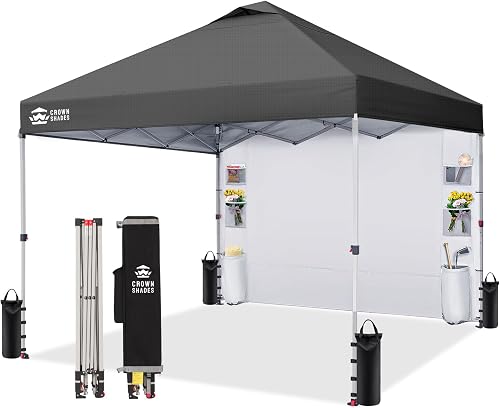
CROWN SHADES 10x10 Pop Up Canopy Tent with Pockets
The version with built-in pockets is worth the small upgrade if you're camping with kids in tow or you're somebody who likes a water bottle, snacks, prenatal vitamins, and a book within arm's reach of your chair. Hydration in the second trimester is non-negotiable and the pockets keep your bottle visible so you actually drink it. CROWN SHADES Canopy Tent 10x10 Pop Up Canopy Outdoor Shade with Pockets.
Wolfwise Pop Up Shower/Changing Tent
Pregnant campers pee. A lot. If your campsite is more than 50 yards from a toilet, you're going to want a private setup closer to your tent for nighttime trips. A pop-up changing tent doubles as a privacy screen for a portable camp toilet, an outfit-change spot when you're swelling in and out of clothes, and a sheltered space for prenatal stretches before bed. Pick one with a stake-out floor so it doesn't blow over in a breeze. Wolfwise Pop Up Shower Tent for Camping Essentials.
Wise Owl Outfitters Camping Hammock
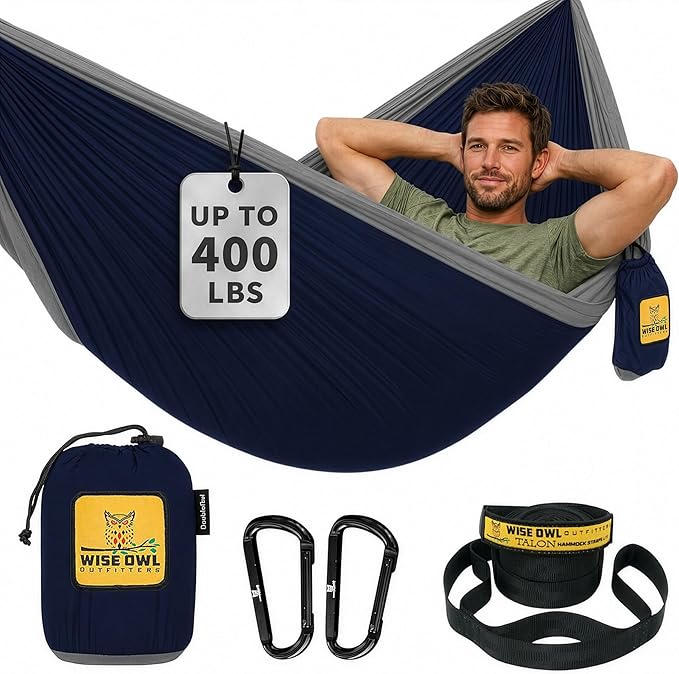
A camping hammock is not a substitute for an overnight sleeping pad in the second trimester — by week 20 or so the natural banana curve of a hammock puts uncomfortable pressure on the lower back and belly. But for 20-to-40-minute daytime rests with a knee pillow, a properly hung hammock at about a 30-degree angle gives you a side-lying surface with zero pressure points and natural elevation for swollen feet. The 500 lb capacity gives a strong margin of safety, and the included tree straps mean you're not gambling with knots. Wise Owl Outfitters Camping Hammock.
Setup Tips That Make Any Decent Pad Work Better
The pad is half the battle. The other half is what's above and around it.
- Double-pad if you're under-confident in your pad. A closed-cell foam pad (like a Z-Lite) under your air pad adds R-value, blocks puncture risk, and gives you a backup if the air pad fails mid-trip.
- Bring a real pillow. Camp pillows are designed for back-sleepers. A standard memory-foam pillow from home plus a small lumbar/knee pillow is worth the volume.
- Inflate softer than you think. Most people overinflate. Side-sleepers want the pad firm enough not to bottom out but soft enough that the hip sinks slightly. Top off in the evening, not the morning, since air contracts as it cools.
- Level the ground first. A 5-degree slope feels like a 20-degree slope when you're pregnant. Spend the extra ten minutes finding flat.
- Pee before bed, then again 30 minutes later. You will still wake up, but you'll buy yourself one extra sleep cycle.
For more on building out a complete pregnancy-friendly camp kit, see our guides to camping cots for pregnant back-sleepers, camping pillows for side-sleepers, and tents with stand-up headroom for couples.
Frequently Asked Questions
Is it safe to sleep on an air mattress while pregnant in the second trimester?
Yes, with caveats. The American College of Obstetricians and Gynecologists doesn't restrict air mattress use, but you should avoid sleeping flat on your back after about week 20, regardless of surface. Choose an air mattress or pad that supports side-sleeping with at least 3.5" of thickness and inflate it firmly enough that you don't roll toward the center. Always check with your own provider before any overnight trip.
What R-value sleeping pad do I need for spring camping while pregnant?
For most U.S. spring camping at low to moderate elevation (overnight lows of 35°45°F), an R-value of 3.5 to 4.5 is the realistic floor. Pregnant bodies often run warm in the evening but lose ground-conducted heat overnight, and disrupted sleep is harder to recover from when your hormones are already taxing you. If lows could touch freezing, jump to R-value 5+ or stack a closed-cell foam pad under your main pad.
Can I use a regular memory foam mattress topper instead of a camping pad?
For car camping in a large tent, yes — a 3" memory foam topper on top of a closed-cell foam pad gives outstanding side-support and is often cheaper than a premium camping pad. The downside is bulk: a queen topper takes up a full storage tote, and memory foam absorbs moisture, so you'll want to keep it sealed and elevated off the tent floor. For backpacking or any trip where you carry your gear more than 100 yards, stick with a purpose-built pad.
How do I keep from rolling onto my back at night while camping pregnant?
The most reliable trick is a tennis ball or rolled-up sock taped or pinned to the back of your sleep shirt — it makes back-sleeping uncomfortable enough that you naturally roll to your side without fully waking. A wedge pillow placed behind your back also works. Some pregnancy-marketed pads in 2026 have raised side rails that nudge you back to center, but mid-pad valleys still tend to let you settle onto your back.
What's the best pillow setup for a pregnant side-sleeper in a tent?
Four pillows: a head pillow (from home if you can), a knee pillow between your legs to align your hips, a small belly-support pillow under your bump, and a back wedge to prevent rolling. A full-length pregnancy pillow can replace three of those four but takes more tent floor space. Bring all four for car camping; consolidate to a body pillow plus head pillow for backpacking trips.
Are camping cots better than sleeping pads for pregnant campers?
It depends on the trimester and the cot. In the second trimester, a wide cot (28"+) with a 3" memory foam topper can be excellent because it eliminates ground-level cold and makes getting up at night much easier (no rolling-and-pushing maneuver). The downside is that cots are colder underneath in shoulder season unless you add insulation, and most 2-person tents don't fit two adult cots side by side. If your tent has the floor space and you're at a drive-up campsite, a cot is often the more comfortable choice.
How firm should my sleeping pad be for side-sleeping with a pregnant belly?
Inflate to roughly 80% of maximum. You want enough pressure that when you lie on your side, your hip sinks no more than half the pad's thickness before stopping. If you bottom out (feel the ground at the hip), add air; if your shoulder feels propped up and your spine curves sideways, let air out. Test it in the evening before bed, not at the trailhead, because air pressure changes with temperature.
How far into pregnancy can I keep tent camping?
Most uncomplicated pregnancies allow tent camping through the early third trimester, but the practical limits usually come from sleep quality rather than safety: by about week 30, getting up off the ground multiple times a night becomes genuinely hard, and most campers switch to a cot, camper van, or cabin. Always clear any specific trip with your provider, especially if it involves elevation over 8,000 ft, remote locations more than an hour from a hospital, or trips after week 32.
Key Takeaways
- Choosing the right best sleeping pad for pregnant campers in second trimester needing side support means matching the key features to your specific needs and budget
- Read real customer reviews and check the return policy before you commit
- Also covers: pregnancy camping sleeping pad
- Also covers: sleeping pad for pregnant side sleepers
- Also covers: second trimester camping comfort pad
- Compare value across models — the priciest option is not always the best fit