
Top Picks
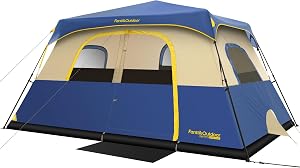
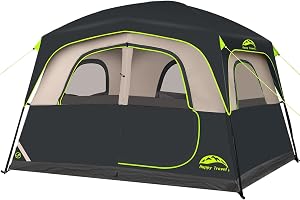
Your Best Night's Sleep Starts Here
There's nothing quite like crawling into a cozy sleeping bag after a long day on the trail — the stars overhead, the crackle of dying embers, the cool mountain air kissing your face. But there's also nothing worse than shivering through a sleepless night because you bought the wrong bag.
This guide changes that. Forever.
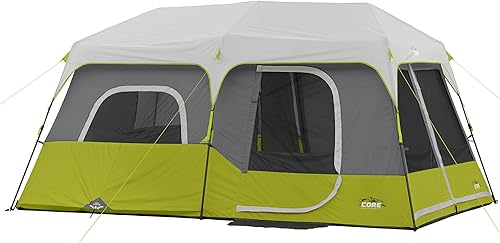
Whether you're a weekend warrior chasing sunsets in state parks or a hardcore backpacker tackling alpine passes, choosing the right sleeping bag is the single most important decision standing between you and trail euphoria.
Featured recommendations from our review database — direct Amazon links below.
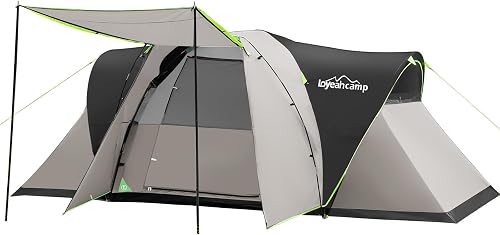
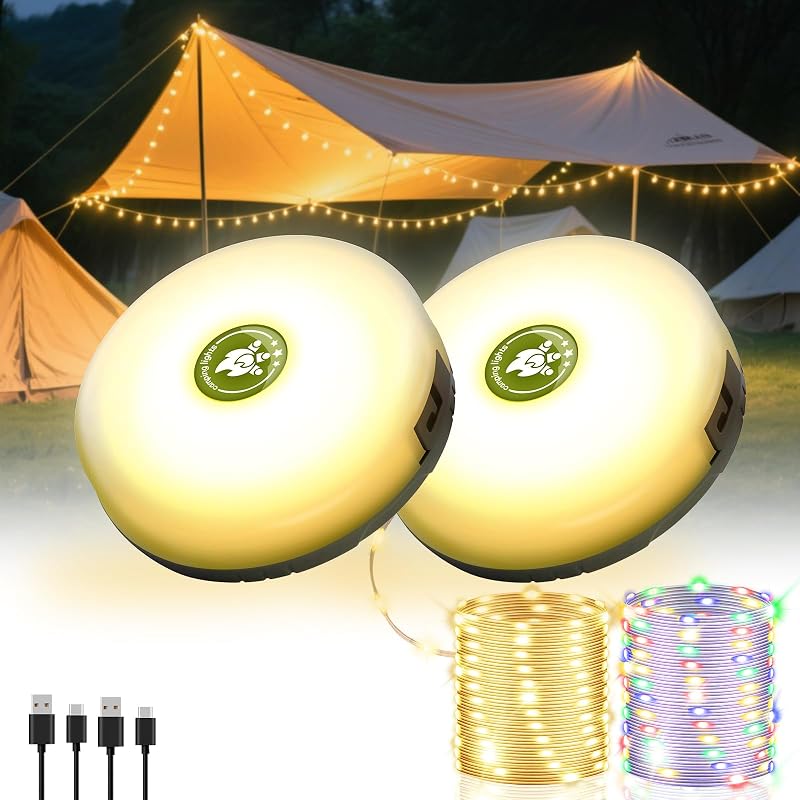
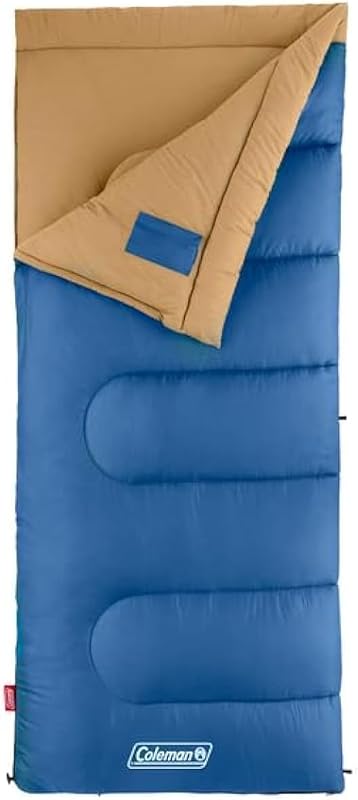
Featured recommendations from our review database — direct Amazon links below.
Quick Stats: Why Your Sleeping Bag Matters
> 70% of campers report poor sleep as their #1 trip complaint > > 15 degrees — the average temperature difference between a properly rated bag and a wrong one > > 3x longer — how much more enjoyable your trip feels with quality sleep
Part 1: Cracking the Code on Temperature Ratings
 Temperature ratings are the heartbeat of any sleeping bag. Get this right, and you're golden. Get it wrong, and you're miserable.
The Three Numbers You Need to Know
Modern sleeping bags use the EN/ISO rating system, which gives you three critical temperatures:
- Comfort Rating — The temperature at which a "cold sleeper" (typically female-bodied) can sleep comfortably through the night.
- Limit Rating — The lowest temperature at which a "warm sleeper" (typically male-bodied) can sleep curled up for 8 hours.
- Extreme Rating — A survival rating. Translation: you will not die, but you will be miserable. Ignore this number when shopping.
Pro Tip from the Trail
> "Always choose a bag rated 10-15 degrees colder than the lowest temperature you expect. Mother Nature loves surprises." > — Veteran thru-hikers everywhere
Temperature Rating Cheat Sheet
| Bag Type | Temperature Range | Best For |
|---|---|---|
| Summer | 35 F and above | Warm-weather camping, festivals |
| 3-Season | 15 F to 35 F | Spring through fall adventures |
| Cold Weather | 10 F to -10 F | Late fall, winter |
| Winter/Expedition | -10 F and below | Alpine climbing, polar conditions |
Watch: Sleeping Bag Temperature Ratings Explained
Part 2: The Great Debate — Down vs. Synthetic Fill
This is the holy war of the sleeping bag world. Both fills have devoted followers, and honestly? They're both right — depending on your adventure.
Down Fill: The Luxurious Featherweight Champion
Down is the soft, fluffy under-plumage of ducks and geese, and it's a thermal wizard.
The Good:
- Unmatched warmth-to-weight ratio
- Compresses to the size of a grapefruit
- Lasts decades with proper care
- Feels like sleeping in a cloud
- Loses insulating power when wet
- Costs significantly more upfront
- Requires careful washing and storage
Synthetic Fill: The Reliable Workhorse
Made from polyester fibers engineered to mimic down's loft, synthetic insulation is the practical hero.
The Good:
- Insulates even when soaking wet
- Dries quickly
- Hypoallergenic
- Budget-friendly
- Heavier and bulkier
- Loses loft over time
- Doesn't pack as small
The Verdict
> Choose down if you're a weight-conscious backpacker . > > Choose synthetic if you're paddling, expecting wet weather, or watching your budget.
Understanding Fill Power
You'll see numbers like 600-fill, 800-fill, or 900-fill on down bags. This measures loft — the higher the number, the more warmth per ounce.
- 550-650 fill: Entry-level, budget-friendly
- 700-800 fill: Mid-range, excellent performance
- 850-900+ fill: Premium, ultralight expedition quality
Part 3: Size & Shape — The Often-Overlooked Game Changer
A sleeping bag that doesn't fit is like wearing shoes two sizes too small. Painful. Pointless. And totally avoidable.
The Four Main Shapes
Mummy Bag Tapered, hooded, and thermally efficient. The backpacker's best friend. Hugs your body to minimize empty space your body has to heat.
Semi-Rectangular (Barrel) The Goldilocks shape. More room than a mummy, more warmth than a rectangle. Great for car campers who toss and turn.
Rectangular Maximum room, maximum comfort. Think of it as your bedroom comforter that goes camping. Best for warm weather and car camping.
Double Bags Made for two. Perfect for couples, parents with little ones, or solo sleepers who crave the ultimate sprawl.
Sizing It Right
- Regular: Fits up to 6'0"
- Long: Fits up to 6'6"
- Women's Specific: Shorter, wider at hips, narrower at shoulders, with extra insulation in key zones
Expert Tip
> Always try before you buy. Climb in. Zip up. Roll over. If your toes hit the bottom or your shoulders feel pinned, size up.
Part 4: Features That Separate the Greats from the Goods

- Draft Tubes — Insulation behind the zipper to prevent cold air leaks
- Draft Collar — A thermal cuff around your neck for cold-weather bags
- Hood — Cinches around your head to trap up to 30% more body heat
- Footbox — A roomy, anatomically shaped foot area for happy toes
- Two-Way Zipper — Lets you vent your feet without unzipping the whole bag
- Pillow Pocket — Stuff a jacket inside for an instant pillow
Watch: How to Choose the Perfect Sleeping Bag
Key Takeaways: Your Cheat Sheet\n
- Match the rating to your reality. Buy a bag rated for the coldest night you'll realistically face — then add a 10-degree buffer.
- Pick fill based on conditions. Down for dry and light. Synthetic for wet and wallet-friendly.
- Size matters. A bag that's too big won't keep you warm. Too small? You won't sleep.
- . Hoods, draft tubes, and proper footboxes are game-changers.
- Care for your investment. Store unstuffed, wash sparingly, and your bag will last 10+ years.
Final Thoughts: The Best Bag Is the One That Fits Your Adventure
There's no universal "best" sleeping bag — only the best one for you. Think about where you camp most often, how cold you sleep, how much weight you're willing to carry, and how much you want to spend.
Do that, and your next night under the stars won't just be tolerable — it'll be transformative.
Now go out there. Find your perfect bag. And sleep like the wild thing you are.
Related Reviews
Key Takeaways
- Choosing the right sleeping bag buying guide means matching the key features to your specific needs and budget
- Read real customer reviews and check the return policy before you commit
- Also covers: sleeping bag temperature rating
- Also covers: down vs synthetic sleeping bag
- Also covers: how to choose a sleeping bag
- Compare value across models — the priciest option is not always the best fit